Plenary Speakers
Keynote on Thursday, June 25 2026
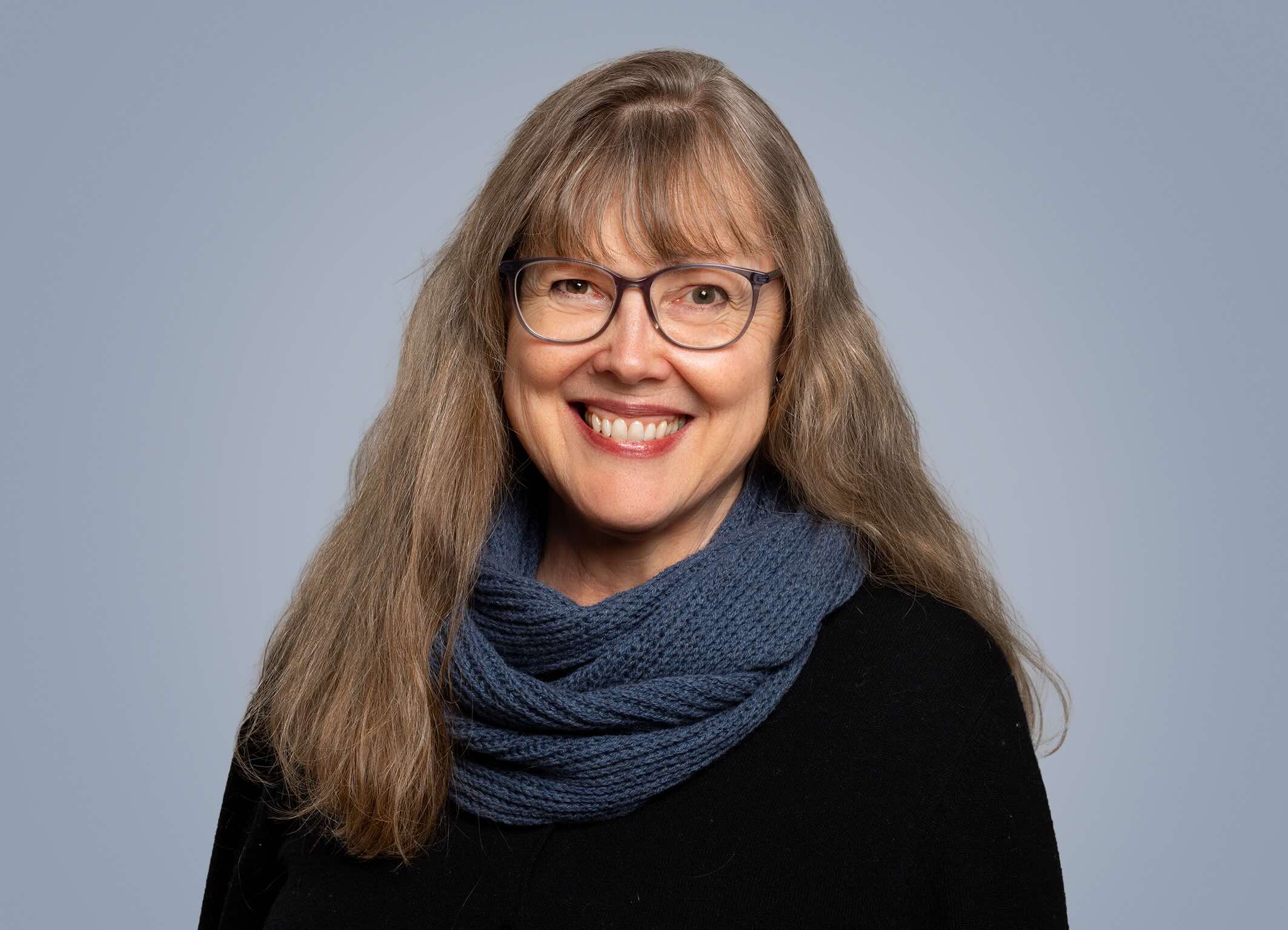
Ellen Rees (Oslo): The Popular Origins of Ibsen’s Modern Drama
Abstract:
In this presentation I argue that Henrik Ibsen is best understood as a writer who combined tragedy with comedy in an unresolved tension that builds directly on his experiences as a theater practitioner at the beginning of his career. I first briefly present the first ever complete empirical analysis of the repertoire Ibsen staged during the years 1851–1864. I then discuss how Ibsen recycles themes, motifs, characters, settings, and plot elements taken from specific lightweight comedies from the popular repertoire in even his most acclaimed contemporary dramas, including A Doll’s House and Hedda Gabler. I argue that this is an example of what Linda Hutcheon calls “modern” parody. My overarching claim is that Ibsen activates the satire that underlies the vaudeville genre, transforming it into a much more existential form of social criticism.
Short Bio:
Ellen Rees is a professor of Scandinavian literature at the University of Oslo’s Center for Ibsen Studies. She is the author of several Ibsen studies, including The Popular Origins of Ibsen’s Modern Drama (forthcoming autumn 2026), Den popkulturelle Ibsen: en studie i nyere norsk resepsjon (2023), and Ibsen’s Peer Gynt and the Production of Meaning (2014). Currently, she serves as the principal investigator for “Norwegian Romantic Nationalism” (NORN), a European Research Council advanced grant (2023–2027).
Keynotes on Friday, June 26 2026
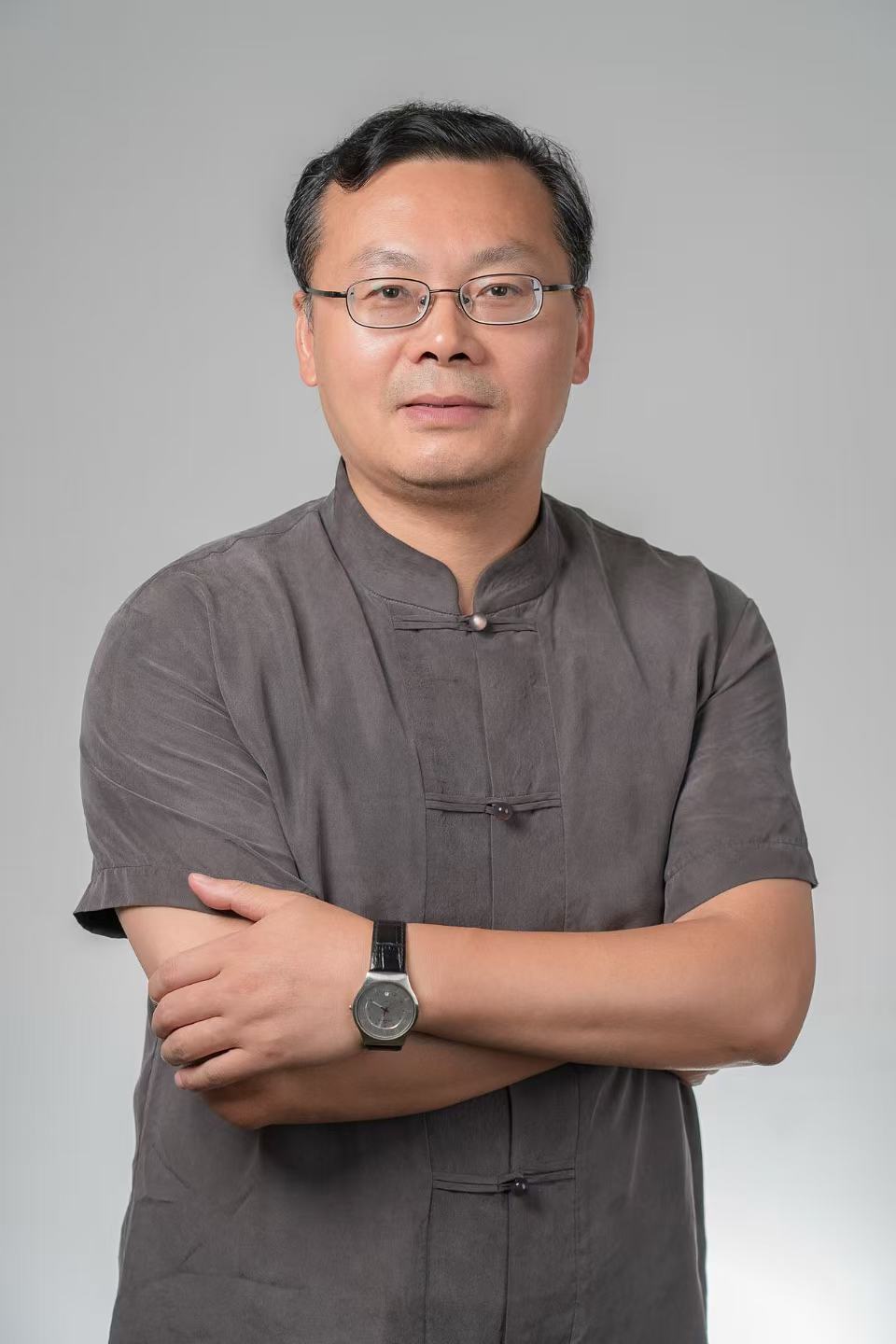
Chengzhou He (Nanjing): Who’s Afraid of Nora? The Intriguing Reception of A Doll’s House Part 2 Across Cultures
Abstract:
A Doll’s House Part 2, which was written by the American playwright Lucas Hnath and premiered at South Coast Repertory in California, the US, in April 2017, is an interesting contemporary sequel to Ibsen’s A Doll’s House, in which Nora is presented as questionable and controversial. Since then, this play has been staged in various places around the world, including the US (many times by different theatres until now), Canada, the UK, Australia, Singapore and China. In August 2024,a Chinese theatre production of A Doll’s House 2: Nora Returns, faithfully based on Lucas Hnath’s play, premiered in Beijing, and then travelled to Shanghai, Nanjing, Suzhou and other Chinese big cities. The pay tells a story not so much about what happens to Nora after she leaves, but mainly about what happens to her after she returns home 15 years later, and in the end she is determined to leave again. The global performances of A Doll’s House Part 2 become a testimony of dramatic changes in response to the feminist and gender issues in different social and cultural contexts recently. This speech will mainly address the following questions: What makes this new play A Doll’s House Part 2 uniquely enthralling? How have the performances been received and perceived in different local contexts? Why have there been such dramatic changes in our responses to Nora’s image as a feminist? What has caused such a dramatic turn or backlash in the feminist cause worldwide, for which Nora has long been regarded as the beacon of feminism? And in what ways, is Nora still relevant to us today and in the forseeable future? As another sequel to the Ibsen play and a new world work, A Doll’s House Part 2 provides us with an opportunity to rethink the roles and identities of women as well as gender politics in our times across different regions and cultures.
Short Bio:
Chengzhou He (何成洲), Doctor of Arts of Oslo University, is Yangtze River Distinguished Professor of Drama and Theatre at Nanjing University Institute of Global Humanities. He is a Foreign Member of Academia Europaea (the Academy of Europe). His teaching and research focus on Ibsen and modern drama, performance and theatre studies, comparative literature and critical theory. He won the Ibsen Prize in 2002 and was former President of the International Ibsen Committee. His most recent articles include: “Garden Kun Opera and Cultural Tourism” (2024) and “Kunqu in Europe” (2024).
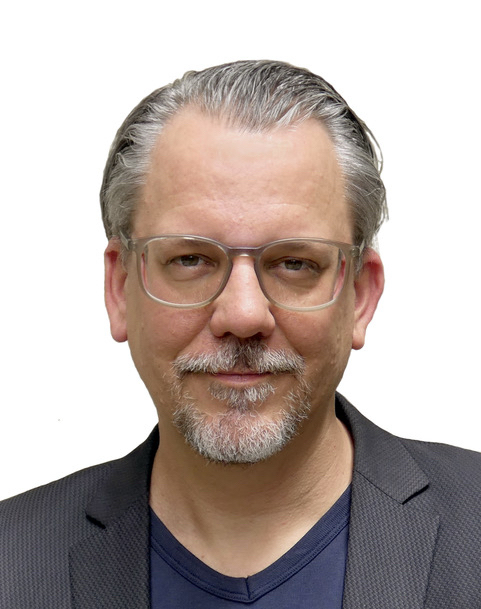
Sandro Zanetti (Zurich): The Murderer of His Own Creatures. Ibsen in Peter Szondi’s Theory of the Modern Drama
Abstract:
Seventy years ago, the then 27-year-old Peter Szondi published his influential study Theory of the Modern Drama (1956) with Suhrkamp Verlag, a work he had written two years earlier as a doctoral dissertation at the University of Zurich under Emil Staiger. In this study, Ibsen appears as the first representative of a “crisis of drama,” characterized by Szondi as a shift in which action, dialogue and the present moment lose their status as the theatre’s primary reference points. Instead, the stage is dominated by a peculiar form of inaction, interiority and an obsession with the past. In Szondi’s analysis, Ibsen’s plays emerge as both paradigmatic and radical; Ibsen, Szondi argues, becomes the murderer of his own creatures. In memory of Szondi’s analysis—radical in its own right—this lecture reconstructs the approach Szondi took to Ibsen, in the hope that it may still prove productive today.
Short Bio:
Sandro Zanetti is Professor of General and Comparative Literature at the University of Zurich. He studied German, History, and Philosophy in Basel, Freiburg im Breisgau and Tübingen and went on to pursue further research and teaching at Frankfurt am Main, Basel, Berlin, and Hildesheim. Since 2011, Zanetti has been the program director and head of the Department for Comparative Literature at the University of Zurich. His major recent publications include Celans Lanzen. Entwürfe, Spitzen, Wortkörper (Zürich: diaphanes, 2020), Literarisches Schreiben. Grundlagen und Möglichkeiten (Ditzingen: Reclam, 2022), and Was bleibt, was kommt? Die Zeit der Literatur (Zürich: diaphanes, 2023).
Keynote on Saturday, June 27 2026
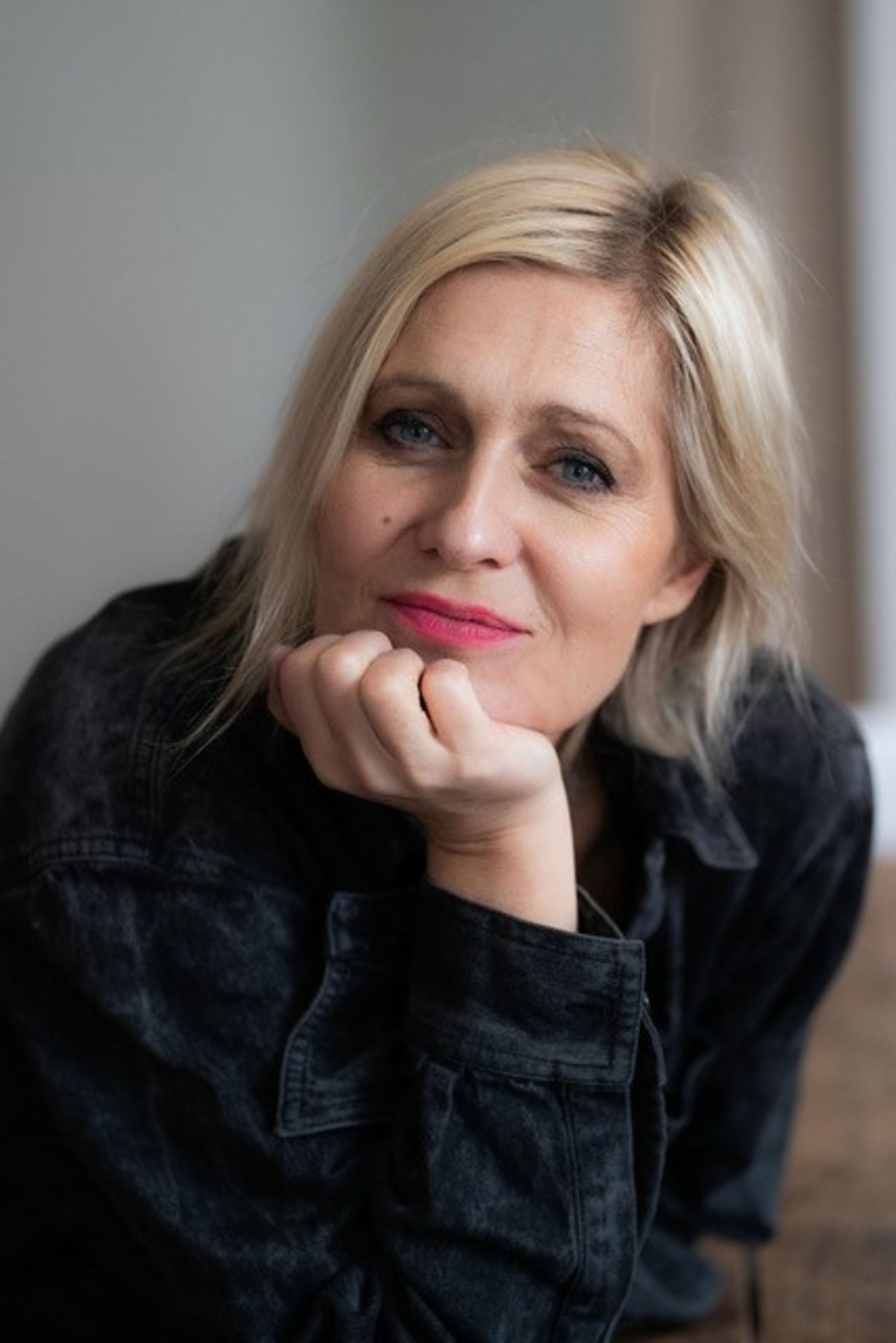
Barbara Weber (Regie): Staging Hedda Gabler – Conversation
We will talk with Barbara Weber and Simeon Meier about their production of Hedda Gabler, which was staged last year at the Theater Bern.
Barbara Weber is a freelance director, project manager, and curator. She studied directing at the Institute for Theater, Music Theater, and Film in Hamburg. Her “unplugged” format, through which she reexamined blockbusters and modern myths such as Michael Jackson, Mother Teresa, and the RAF, was a huge success throughout the German-speaking world. Both *Hollywood Unplugged* and *RAF Unplugged* were invited to Theater Impulse. RAF Unplugged won the Berlin Performing Arts Fund Award. She has worked at venues including HAU in Berlin, Theaterhaus Gessnerallee, Schauspiel Essen, Maxim Gorki Theater Berlin, Münchner Kammerspiele, and the Vienna Festival. From 2008 to 2013, she was co-director of Theater Neumarkt in Zurich.
Since 2013, she has been working as a freelance curator/director/producer. Barbara Weber conceives, develops, and directs projects in the fields of theater, art, science, digital media, politics, migration, and cultural participation, including for Theaterspektakel Zürich, the City of Zurich, the Canton of Zurich, Stapferhaus Lenzburg, Kunsthalle Zürich, Stattkino, Manifesta11, ETH Zurich, NGOs, cultural initiatives in the asylum sector, and Kaserne Basel.
https://buehnenbern.ch/spielplan/programm/hedda-gabler/
Simeon Meier (Stage): Staging Hedda Gabler – Conversation
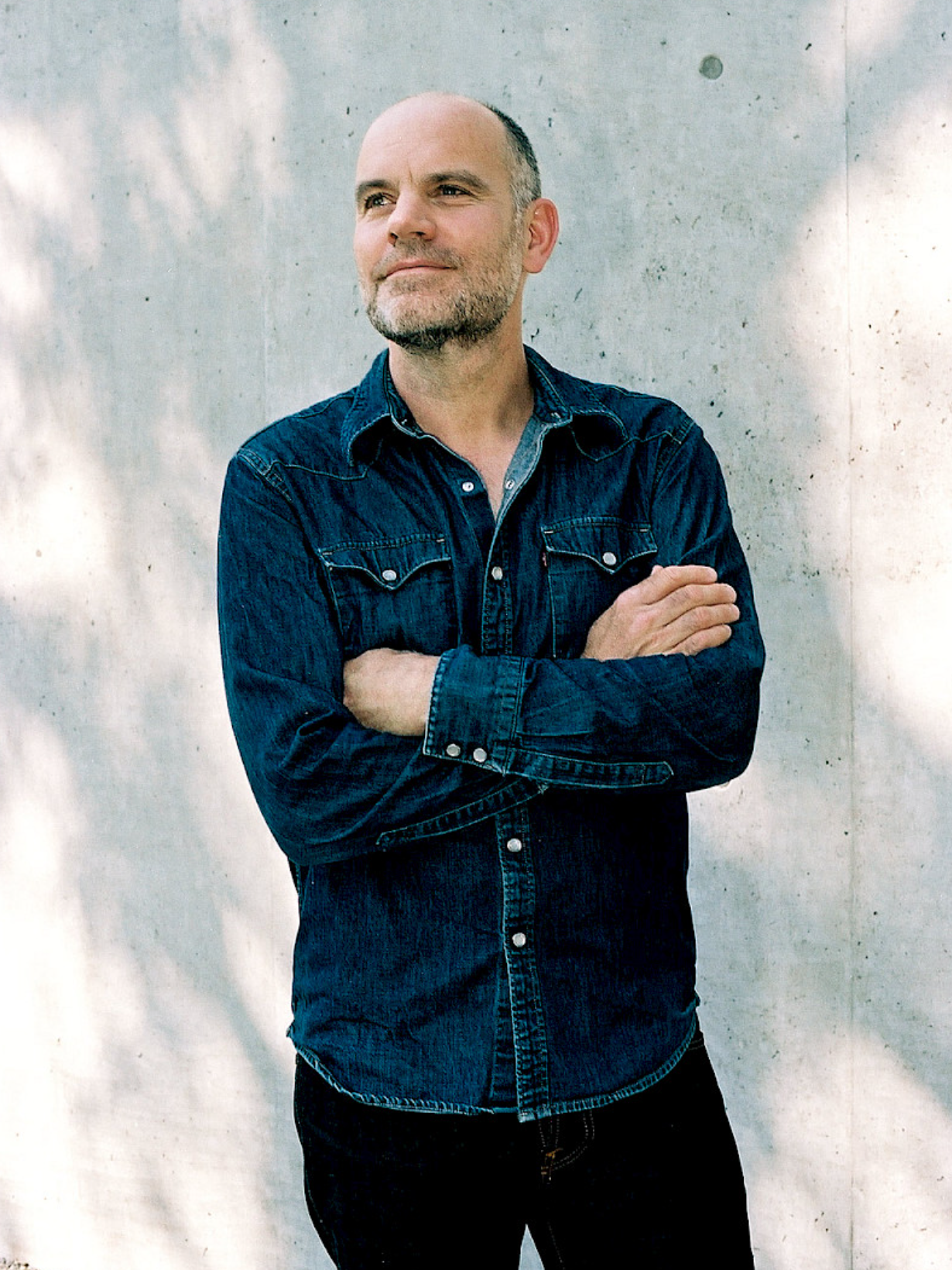
Simeon Meier was born in Zurich in 1972. His professional career began with an apprenticeship as a decoration designer at the traditional Zurich department store Jelmoli. After completing his training, he worked in décor and set construction and as a stage design assistant at the Schauspielhaus Zurich. Subsequently, Simeon Meier studied "stage space" at the Hamburg University of Fine Arts with Prof. R. Bauer. After completing his studies, he did his first freelance work at many German-speaking venues: the Thalia Theater Hamburg, the Theater Basel, the Schauspielhaus Zurich as well as the Deutsches Theater Berlin, the Theater Freiburg and the Schauspiel Dresden. He has worked with directors such as Rafael Sanchez, Stefan Bachmann, Heike Götze, Stefan Pucher, Tom Schneider, Simon Solberg, Christoph Frick, Sandra Strunz and the Rimini Protokoll collective. He won the Rolf Mares Prize for Nostalgia 2075 with Rafael Sanchez, and his stage design for Dirty Hands was nominated for Stage Design of the Year.
https://buehnenbern.ch/uber-uns/menschen/detail/simeon-meier-18157/